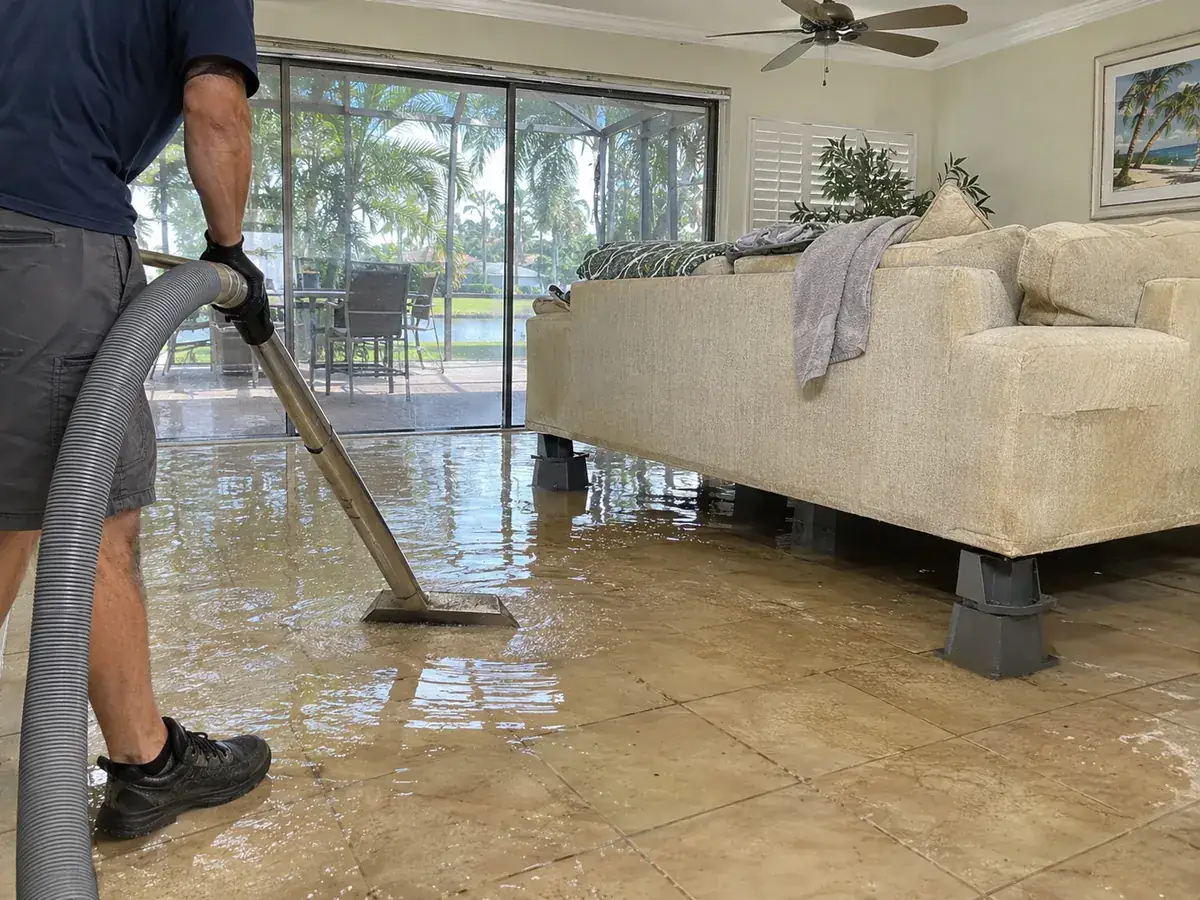
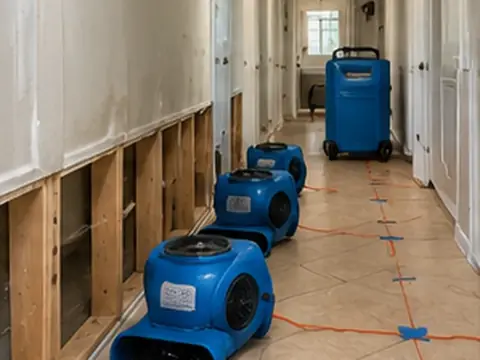
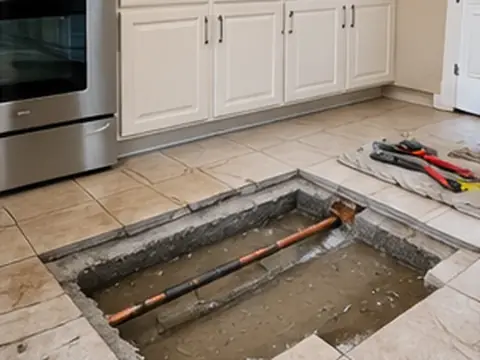
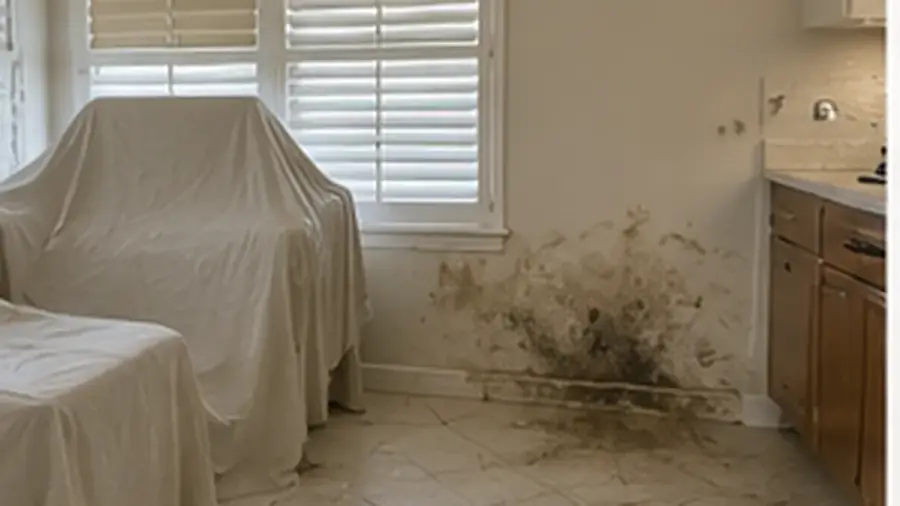
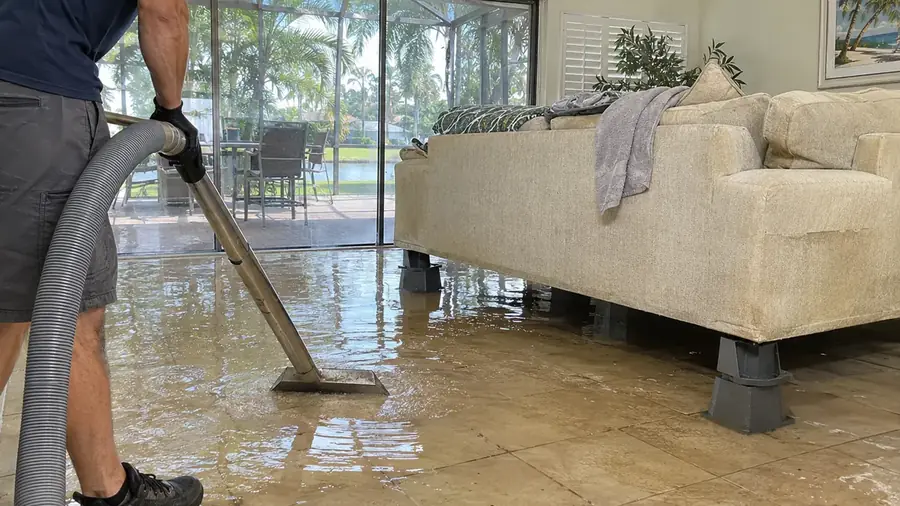
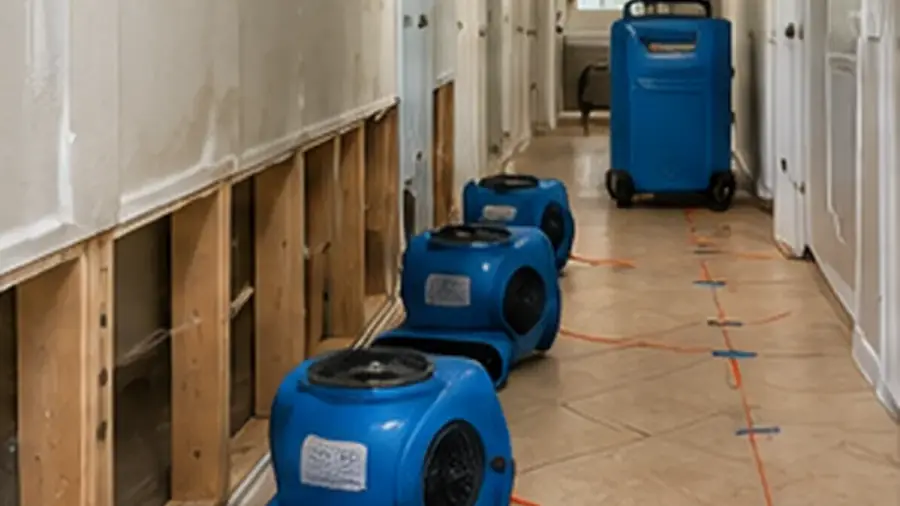
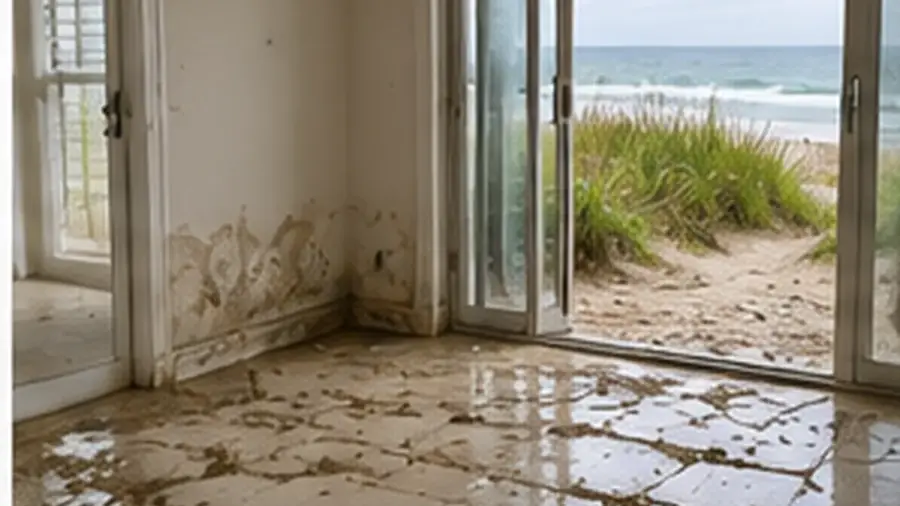
Many Vero Beach homes sit on a concrete slab, so a leak can soak walls and flooring before you ever see a puddle. Florida humidity keeps that moisture from drying on its own, and mold growth can begin in as little as 24 to 48 hours.
Water Damage Help Line
Water in the house right now? Call and tell us what you see. We will help you stop it and plan the dry-out.
Open Monday through Friday, 8:00 AM to 7:00 PM Emergency: Any time
Water Damage Urgency Checker
Water categories at a glance
Category
What it means
1
Clean water from a supply line, caught within 48 hours.
2
Water from a washer, AC line or garage that has mixed with debris.
3
Sewage or outside flood water. Also any water left more than 48 hours moves up one category.
Mold can take hold within 24 to 48 hours of getting wet. Call (772) 477-0363
Serving Vero Beach and nearby areas
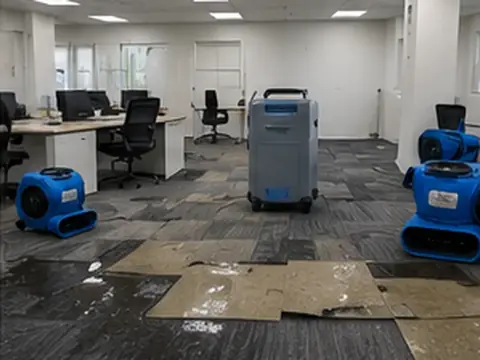
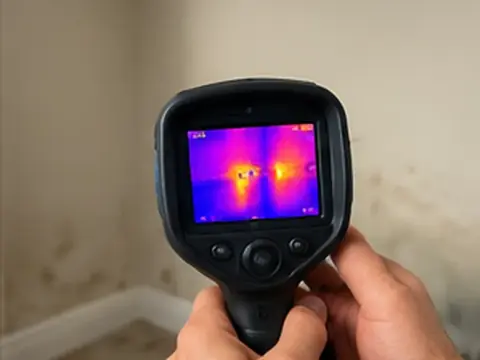
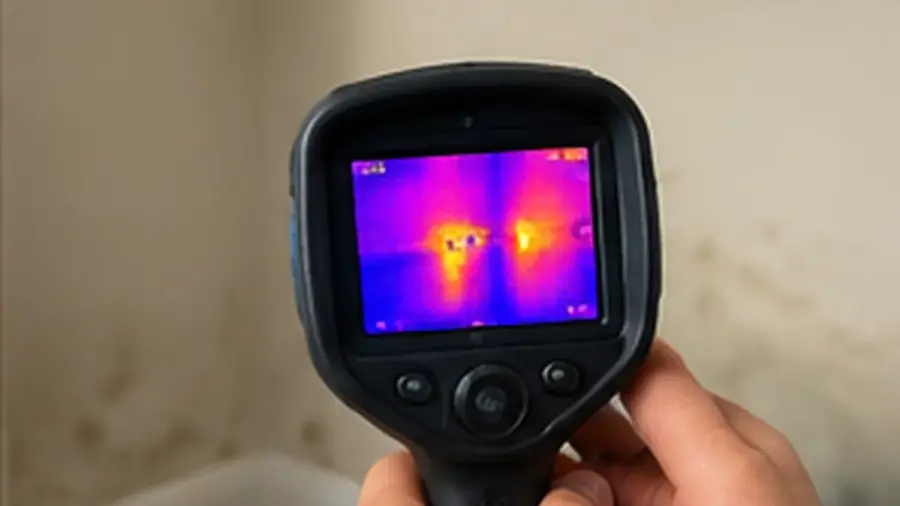
Moisture readings and photos for your records
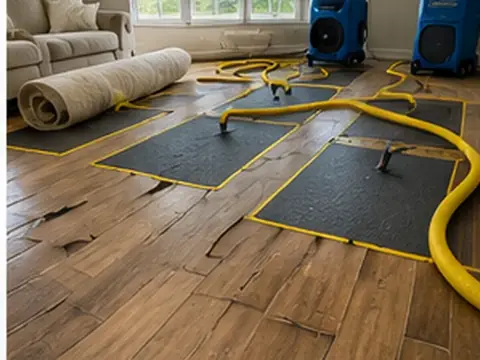
Slab home drying
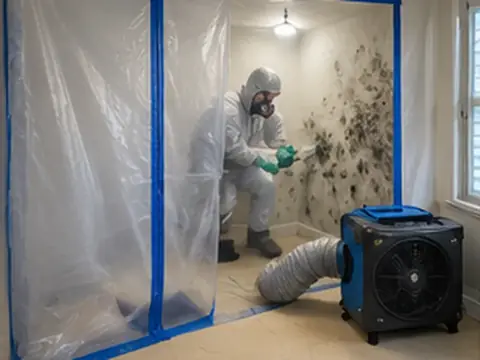
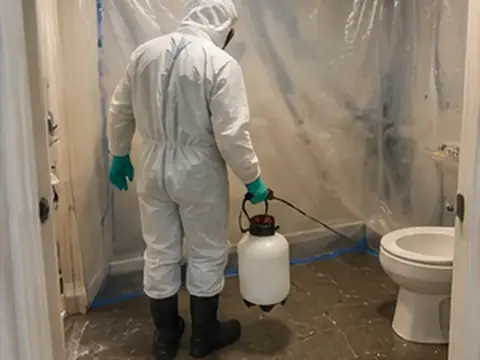
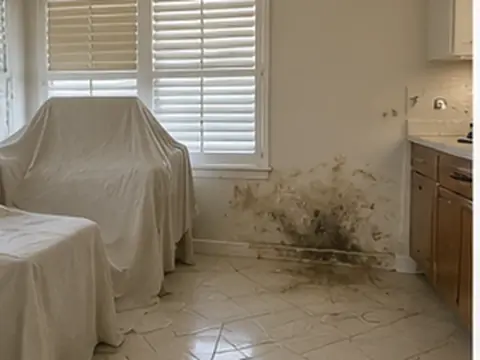
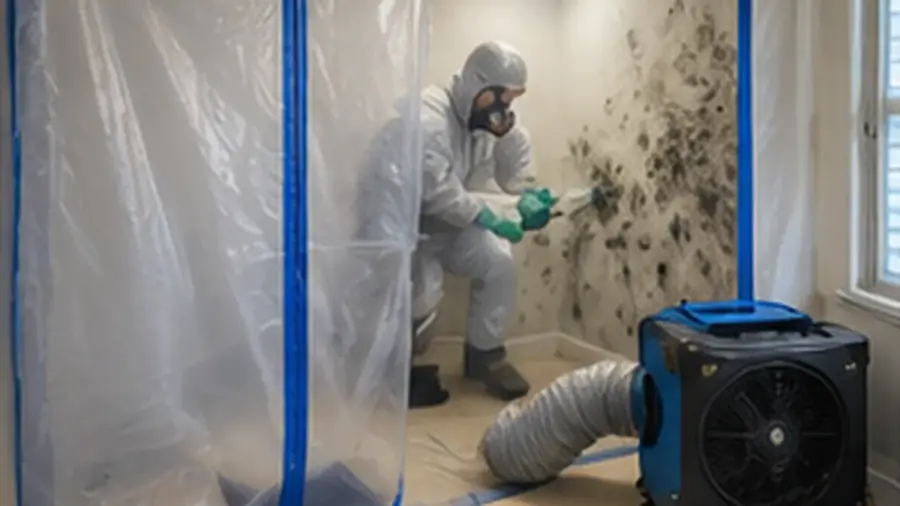
Mold containment and HEPA filtration
Why Vero Beach water damage is different
Slab construction, a high water table and warm air change how water moves through a house here. These four situations explain most of what we see.
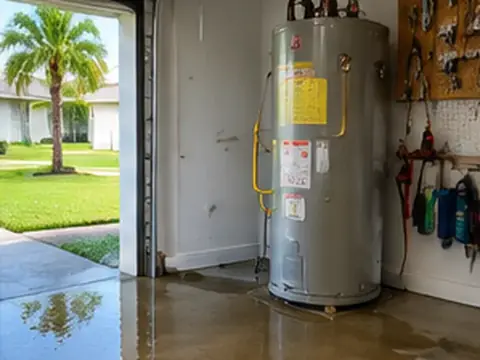
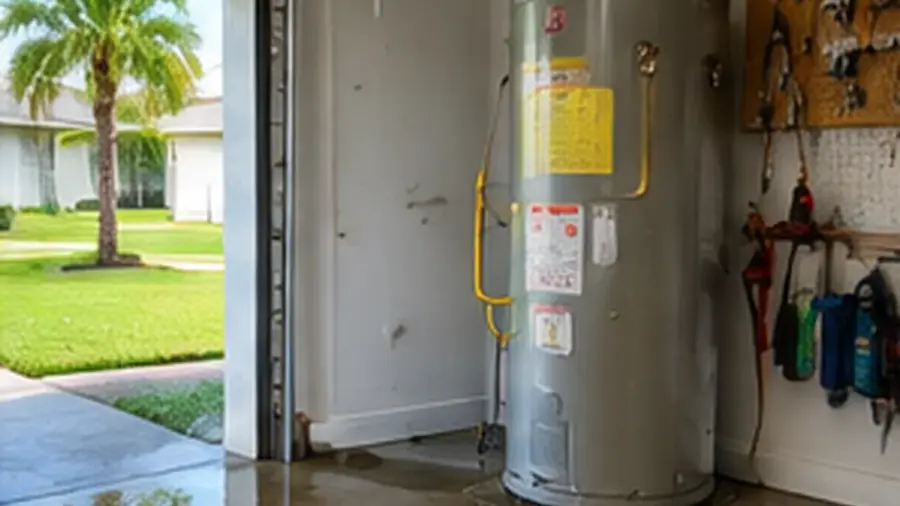
The garage wall trap
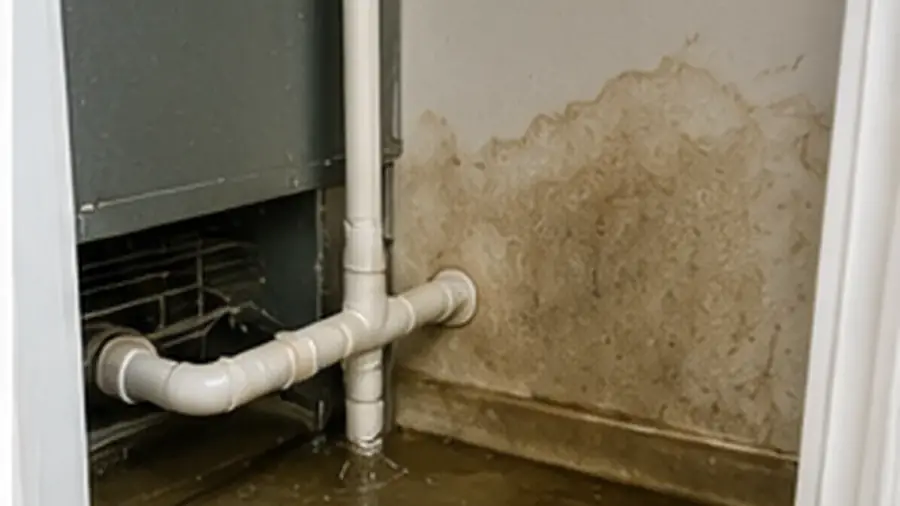
A water heater or washer in the garage can push water under the shared wall. The sloped garage floor sends the surface water out the door and looks dry, while the closet or bedroom drywall on the other side soaks it up.
If the garage floor is damp, check the wall on the other side.
The mold clock
0 hoursWater is mostly in the surface layers. Easiest time to save materials.
24 hoursMoisture is moving into drywall and framing. Humid air slows drying.
48 hoursMold can begin to grow within 24 to 48 hours.
72 hours and upRisk is high. Wet insulation and baseboards often have to come out.
Coastal humidity works against drying. Indoor air that stays damp gives mold what it needs.
Water gets dirtier
Category 1Clean supply water. Floors and walls can often be dried in place.
Category 2Washer, AC or garage water with debris. Porous materials like carpet pad usually go.
Category 3Sewage or flood water. Wet porous materials are removed and the area is cleaned.
Time pushes water down the ladder. Clean water left for more than 48 hours is treated as the next category up.
Snowbird homes
A leak in an empty seasonal home can run for weeks before anyone knows. By then the water has usually reached more than one room.
Shut off the main water valve before you leave.
Ask someone to walk through every couple of weeks.
Keep the AC running so humidity stays down.
Know who to call if the house smells musty on return.
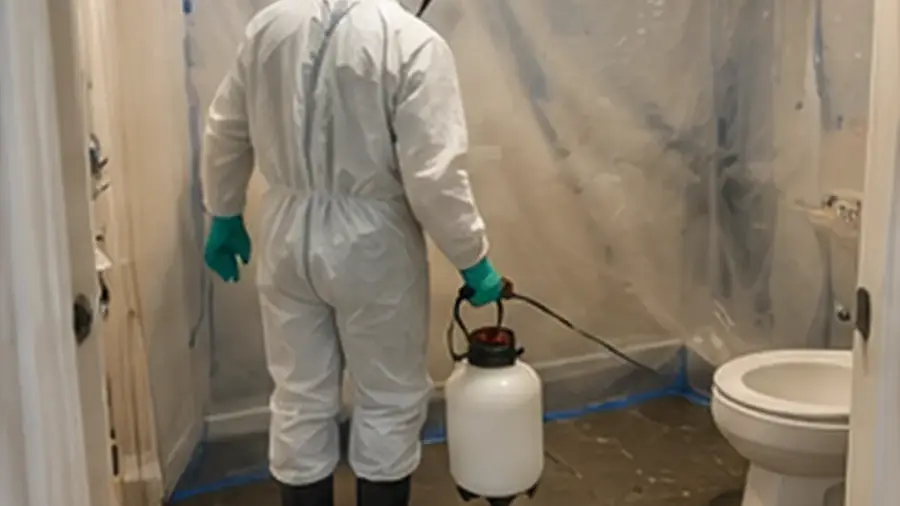
Mold work follows containment and HEPA filtration practices, so spores stay in the work area and out of the rest of the house. We look for the moisture source before any cleanup starts.
Water spreads across one flat floor and wicks into the bottom of walls. Saturated ground can add moisture from below.
Readings along the slab edge and the bottom of the walls.
Older raised home
Water collects under the floor, where old lines leak and damp air sits against the subfloor.
The underside of the subfloor and the joists.
Barrier island home
Sand drains rain, but surge and high tides bring salt water that leaves residue behind.
Water type and salt exposure, then hidden leaks.
Seasonal or vacant home
A slow leak runs for weeks and reaches several rooms before anyone notices.
Every room, closet and cabinet base.
Before you call, note these things
What you can see and smell
Tell us where the water is, how far it has spread and whether there is a musty or sewage smell. It helps us decide what equipment to bring and what category of water we are dealing with.
What kind of floors you have
Tile, laminate, hardwood and carpet all dry differently. Knowing the floor type early tells us whether we can dry it in place or need to lift part of it.
When it started and what you have done
Give us the time you first saw water and whether you have shut off the main valve or the breakers. Mold may begin growing as soon as 24 to 48 hours after materials get wet, so the clock matters.
Photos for your records
Take photos and video of the water, the damage and the source before you move anything. Our moisture readings go in the file too, and your insurer can see both.
What water damage cleanup costs in Vero Beach, FL
The price depends on the water category, how many square feet got wet and how many days of drying the structure needs. Clean water caught early costs less than sewage or a house that sat for a week. We assess the damage before we quote anything. How pricing works »
SafetyShould I turn off the AC after water damage?
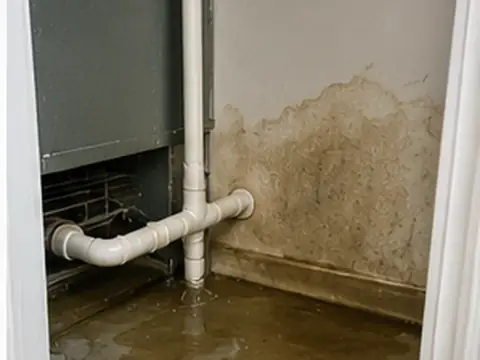
It depends on where the water came from. If the AC drain line is the source, switch the system off at the thermostat and the breaker so it stops adding water. If you see or smell mold, keep it off, because the blower can push spores through the ducts into other rooms.
For a pipe leak with no musty smell, the AC is not the concern. The wet rooms are. Call us if you are unsure and we will tell you what to do for your situation.
MoldHow fast does mold grow after a leak in Florida?
Damp materials can start growing mold in 24 to 48 hours, according to EPA guidance. Warm, humid air along the Treasure Coast leaves little room to wait.
Wet drywall, insulation and baseboards that stay damp past two days carry the highest risk. Fast extraction and drying is the best way to keep mold from starting.
InsuranceWill my homeowners insurance pay for water damage?
It depends on your policy, the cause of the loss and how quickly it was reported. Many policies treat a sudden event like a burst pipe differently from a slow leak that went unnoticed. Read your policy or ask your agent, and report the loss early.
We cannot promise coverage and we do not take assignment of benefits. What we do is document moisture readings and photos that you can share with your insurer.
Drying timeHow long does it take to dry a slab home?
Most jobs take several days, but the range is wide. It depends on how long the water sat, what the floors and walls are made of, and how humid the weather is.
We take moisture readings every day and keep drying until the materials return to normal levels. Dry-looking walls can still be wet inside, so we go by the meter and not by eye.
CostHow much does water damage cleanup cost in Vero Beach?
Cost depends on the water category, the square footage that got wet and how many days of drying the structure needs. A small kitchen leak and a flooded slab home are very different jobs.
We look at the damage first and then explain what it will take. See our pricing page for how estimates are put together.
SnowbirdsWhat should I do if I find water damage after being away for the season?
Shut off the main water valve first. Then take photos and video before you move anything, and note the date you found it.
If the house smells musty, leave the AC off and do not run fans through the rooms. Call us and your insurance company the same day, and ask a neighbor or property manager to check on any other seasonal properties you own nearby.
Water in the house right now? Call and tell us what you see.