The mold clock after a leak
- 0 hoursWater is mostly on surfaces. Everything can still be saved.
- 24 hoursMoisture moves into drywall, wood and insulation.
- 48 hoursMold can start growing in materials that stayed damp.
- 72 hoursGrowth is often visible in dark, still spaces.
- 1 weekWet drywall and insulation usually have to come out.
The EPA says mold may begin growing as soon as 24 to 48 hours after materials get wet of materials getting wet. In Florida, that window feels shorter, because the air already holds a lot of moisture and warm temperatures help.
That does not mean every damp spot turns into a mold problem on day two. It means the first two days decide how bad it gets.
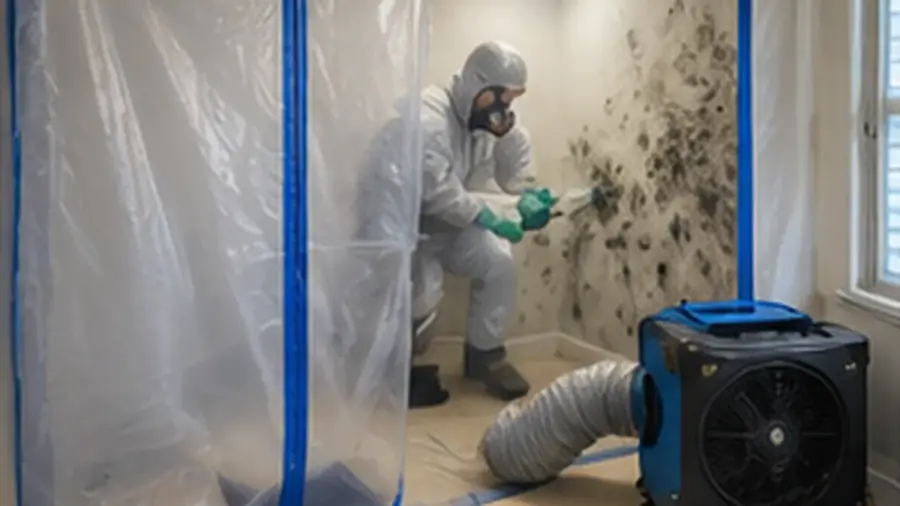
What mold needs
Mold needs moisture, a food source and time. Drywall paper, wood, dust and carpet pad all feed it. The only one of those you can control is moisture, which is why drying is the real defense.
Light is not a requirement. Mold grows well inside walls, under carpet and behind cabinets, where air barely moves.
Why Florida speeds it up
Outdoor air here is humid most of the year, so wet materials dry slowly into air that is already damp. A house closed up with the AC cycling off sits at high humidity for hours.
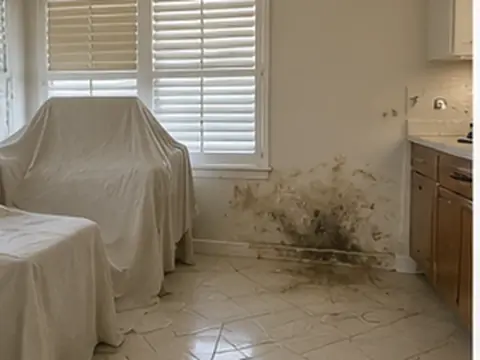
Slab homes add one more factor. Water that gets under a wall plate stays in contact with the drywall bottom for a long time, and that strip is where mold often shows first.
What does and does not help
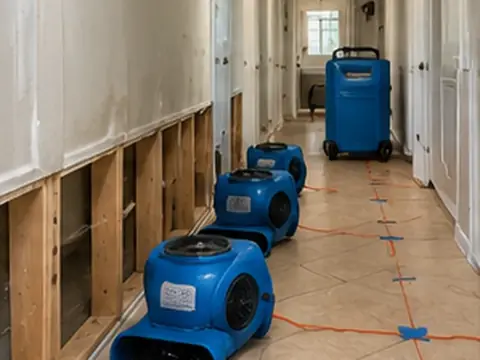
Opening windows rarely helps in summer, because it brings in more moisture. A dehumidifier and air movement, placed so air crosses wet surfaces, do the work.
Spraying a cleaner on a damp wall does not dry it. Surface treatment is a small piece of the job. Taking out materials that cannot dry and drying the rest is the real fix.
Why wet drywall is hard to save
Drywall has a paper face that takes up water and feeds mold. Once it stays wet beyond the first day or two, it softens, and the gypsum inside crumbles. Even if it dries, the paper may carry growth that was already started.
Insulation behaves differently but ends in the same place. Fiberglass batts hold water against the wall and dry slowly, and cellulose can stay wet for a long time. That is why wet insulation is more often removed than dried.
Solid wood and concrete are more forgiving. They can dry out and be treated, which is why the order of work matters. Surfaces that cannot dry are removed, and the ones that can are dried quickly before growth sets in.
Slowing things down while you wait
There are things you can do before help arrives. Pull up wet carpet and pad if you can do it safely, since pad holds water against the slab. Open interior doors to let air move in dry rooms, but close doors to the wet room so moisture does not spread through the house.
Run a dehumidifier if you have one, and keep the AC on if there is no mold smell and the water was clean. Do not point a fan straight at a wall you think is moldy.
Photograph the wet areas and note the date. If mold does show, those photos help whoever scopes the work.
What testing can and cannot tell you
People often ask whether they should test for mold. Testing can show which types are in the air and how the levels compare outdoors. It cannot tell you where the moisture is coming from, and it cannot fix anything.
If you can see mold and you know there was a leak, testing rarely changes the plan. If you smell mold and cannot find it, testing may help locate the problem, though a moisture inspection usually finds the source faster.
Any lab report is a snapshot. Spore counts shift with weather, activity and ventilation, so one result is a clue, not a verdict.
Where mold shows up first in Florida homes
Mold tends to start where moisture meets dark, still air. In slab homes that often means the bottom of drywall along an exterior wall, the back of a closet, the inside of a cabinet under a sink and the wall behind a water heater. In attics it grows on the underside of roof decking when insulation stays damp.
The AC system is another hot spot. A dirty drain pan, a damp air handler closet and ducts that sweat in humid attics can all feed growth. If your house smells musty only when the AC starts, look there first, and read the AC drain line clog guide for what a clogged drain line does.
When the smell is clear and the source is not, our guide on where to look when a house smells musty lists places to check and tools that help. Catching a damp spot early is far cheaper than dealing with growth that has spread behind a wall.
Signs that mold may already be there
- A musty smell that comes back after cleaning
- Dark or fuzzy spots on drywall, trim or ceilings
- Paint that bubbles or peels on a damp wall
- Stains with a ring around the edge
What to do after a leak
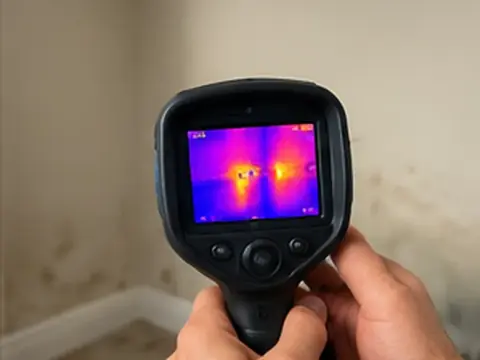
Stop the water, get it out and start drying within a day. If you are unsure whether a wall is wet, a moisture reading settles it. Our water leak detection and moisture mapping page covers how that is done, and homeowners in Vero Beach South water damage restoration can see what we look for locally.
Questions readers ask
MoldIs black mold always dangerous?
Color alone does not tell you much. Any mold growing indoors is a sign of excess moisture and should be dealt with. A professional can tell you what needs removal.
Drying timeWill bleach kill mold on drywall?
Bleach does not fix mold in porous materials, and the moisture source is still there. Drywall with mold growth usually has to come out.
SafetyShould I run a fan on a moldy wall?
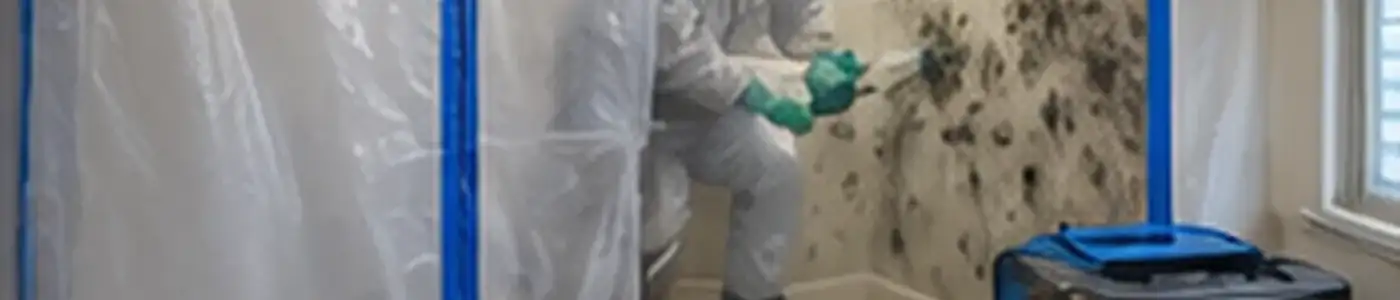
No. Moving air across mold can spread spores. Keep the area closed off until it has been assessed.