
Where to look for a hidden source
| Location | What to look for | What helps |
|---|---|---|
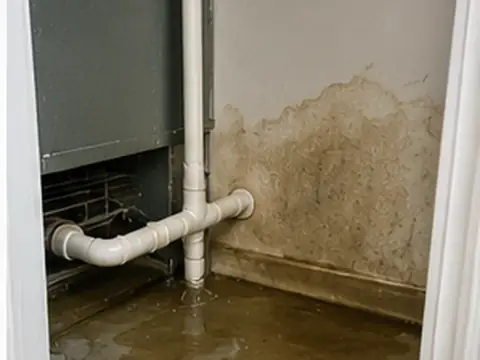
| AC closet | Water in the pan, damp floor, rust | Flashlight and a look at the drain line |
| Under sinks | Staining, swelling, drips on the pipes | Dry paper towel on the pipes |
| Behind the water heater | Rust ring, damp wall | Hand on the wall at baseboard height |
| Baseboards on exterior walls | Darkening, lifting paint | Moisture meter |
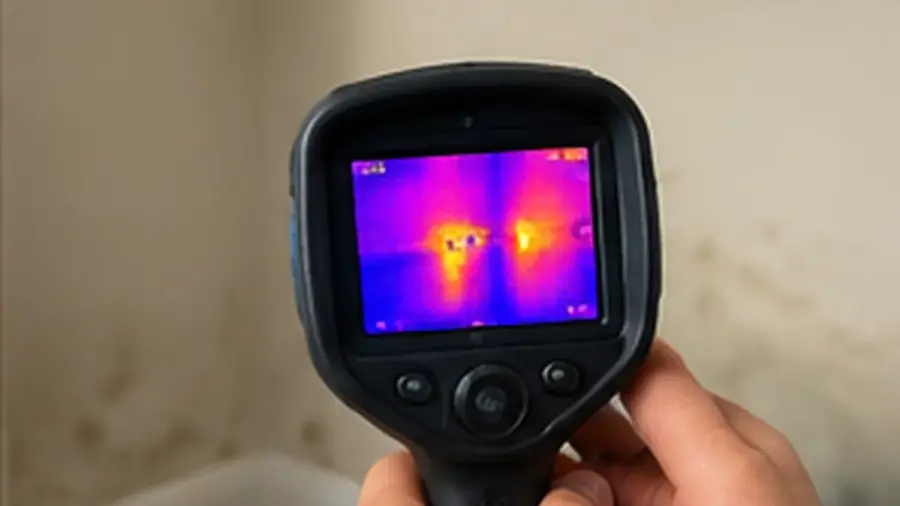
| Closets against garage or bathroom walls | Musty smell, damp carpet edge | Moisture meter or a thermal camera |
| Attic | Stains on decking, damp insulation | Flashlight on a dry day |
A musty smell with no visible mold usually means a damp space you cannot see. Mold may be growing inside a wall, under flooring or in an attic, and the smell reaches you first.
The smell is a clue to follow. Finding the moisture is the useful part.
Why the smell comes before the mold
Mold and mildew give off gases as they grow, often before there is anything to see. The smell can also come from damp materials that are not molding yet, such as wet carpet pad or damp insulation.
Either way, a musty smell means water is somewhere it should not be.
Start with the usual suspects
In Florida homes, the AC closet, the cabinet under the kitchen sink and the wall behind the water heater turn up most often. Look for staining, rust, swelling and soft spots.
Pull rugs back and check the edge of carpet along exterior walls and garage walls, where slab moisture and leaks often show first.
Humidity can be the cause
If nothing is wet and the house still smells damp, the air may be too humid. An AC that cools without removing moisture, or one that cycles too quickly, leaves air clammy.
A hygrometer is a small, inexpensive way to check. Readings that stay above the comfortable range suggest an AC or ventilation problem.
Smells and what they can mean
Not every smell is mold. An earthy, damp-basement-like odor often points to mold or mildew growing somewhere out of sight. A sour or sweet smell near a drain can mean a dry trap or a cracked line. A rotten egg smell near plumbing may be a drain or sewer issue.
A smell that is stronger when the AC starts suggests the ducts, the coil or the drain pan. A smell that is stronger after rain points toward a wall, a window or a slab that gets wet when the weather does.
Notice when and where it is worst. That information narrows the search more than almost anything else.
Cleaning versus fixing
Scrubbing a surface and spraying air freshener will not solve the problem. The smell returns because the moisture is still there. Dry the source, and the smell often fades on its own.
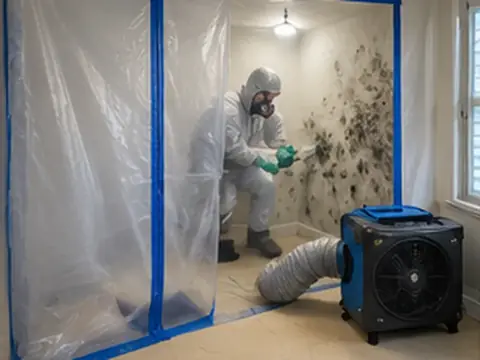
If you find a damp spot, take photos and note where it is. Small areas on hard surfaces, such as a tile shower edge, can be cleaned. Porous materials like drywall, carpet and insulation that are wet or moldy usually have to be removed.
When the smell is strong and you cannot find a cause, a moisture mapping visit is the next step. It costs less than opening walls at random.
A quick weekend plan for tracking down the source
Pick a day when the house has been closed up for a few hours, since smells are strongest then. Walk from room to room and note where the smell is worst. Check the AC closet, the cabinets under sinks and the closet along any exterior wall.
Look at baseboards with a flashlight held low and angled along the wall. Raised paint, darker spots and tiny bubbles show moisture behind the surface. Feel the wall with the back of your hand. Damp drywall feels cooler than dry.
Then read your water meter, and check for any unusual sounds from the pipes. If nothing turns up and the smell continues, a moisture mapping visit is the sensible next step.
Keep a short log of what you find and when, because patterns tell you a lot. A smell that appears after rain points to a different cause than one that shows up after a shower.
When the smell points to a leak, not humidity
Humidity makes a house smell stale, while a leak tends to make one spot smell worse than the rest. If the smell is stronger near one wall, one closet or one room, look for water. If it is even across the house and stronger when the AC runs, look at the system and the air handler.
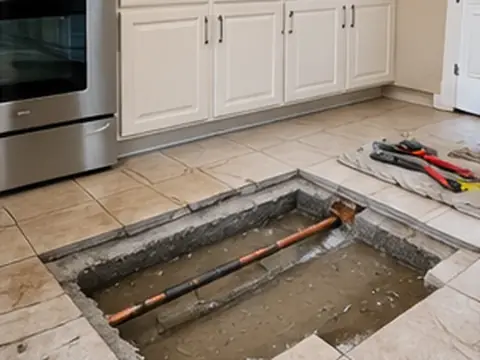
A meter reading can sort it out. Compare a wall you suspect with one you know is dry, and look for a clear difference. If you find one, the wall is holding moisture, and the question becomes where it came from. The seven signs of a slab leak covers one common hidden source, and why the room next to the garage gets wet first covers another.
If you find nothing and the smell stays, a moisture mapping visit is worth the cost. Mold that grows out of sight can spread, and how fast mold grows after a leak explains how quickly it can start.
When tools help
A moisture meter reads damp materials by touch, and a thermal camera shows cooler wet spots through paint and flooring. Neither one shows mold, but both show where to look.
Taking a section of drywall off a wall at random is the slow way to find a source.
What to do next
Once you have a suspect, dry it and fix the source. Our water leak detection and moisture mapping page explains how we map moisture, and owners in Vero Beach South water damage restoration can see why slab moisture is a common culprit there.
Questions readers ask
MoldIs a musty smell harmful?
The smell itself is a warning. Long-term dampness can affect air quality and materials, so it is worth finding.
CostDo I need air testing?
Not always. Finding and fixing the moisture comes first. Testing can help in some cases.
SafetyCan a dehumidifier fix the smell?
It can lower humidity, but if a source is wet it will keep coming back.