
Safety
- Stay out of rooms with sagging ceilings.
- Do not walk through water that touches outlets or cords.
- Watch for downed lines outside before you step out.
Photos
- Photograph and film every wet room before moving anything.
- Shoot the water line on walls and the source of the leak.
Stop more water
- Cover broken windows and roof openings if you can do it safely from the ground or inside.
- Shut the main valve if pipes are damaged.
What not to touch
- Do not run the AC if the house flooded or smells musty.
- Do not use a household vacuum on standing water.
- Do not throw out wet items you may need to show your insurer.
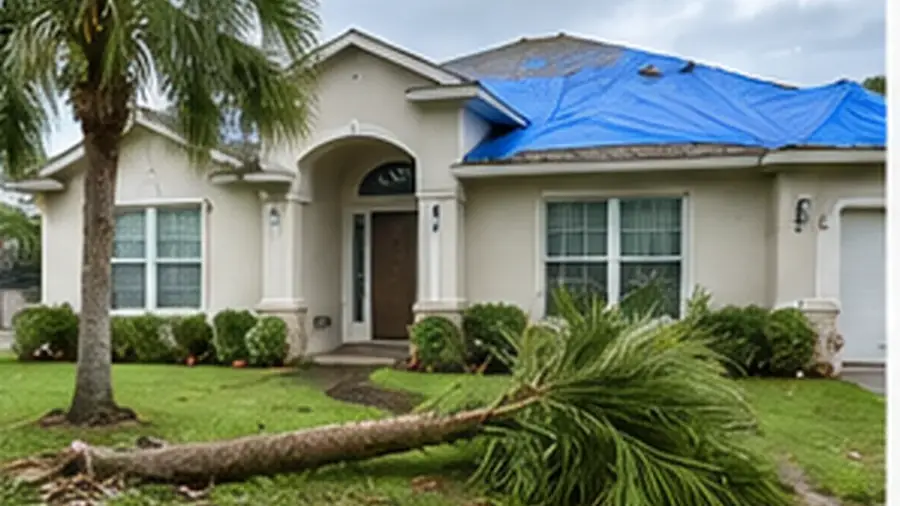
Storm and hurricane water damage in Vero Beach comes from two directions at once. Wind drives rain through windows, doors and the roof, and heavy rain can push water up from the ground and across the yard toward the slab. A single storm can leave wet drywall, soaked insulation and standing water in the same house.
After a storm, power is often out, roads are blocked and everyone nearby is calling for help. We work through a plan that starts with safety, then water removal, then drying, and we take moisture readings as we go.
Typical water category
2 for rain, 3 for flood water
Mold timing
Faster in storm humidity
Do this first
Photograph the damage and stop more water getting in
Call us if
Flood water entered or the ceiling sags
How we handle storm water damage
- Check safety first. We look at electrical risk, sagging ceilings and what category of water you have.
- Remove standing water. Pumps and extractors clear the floors. Flood water is treated as contaminated.
- Take out what cannot be saved. Wet carpet pad, saturated insulation and soaked drywall come out.
- Dry the structure. Air movers and dehumidifiers run with daily readings, since storm humidity slows drying.
- Document the job. You get moisture readings and photos to share with your insurer. Repairs and any roof work follow once the house is dry.
What storms do on the barrier island and the mainland
On the barrier island, well-drained beach sand handles rain well, but wind-driven rain and surge from the ocean and river are the bigger risk. Water enters through windows, doors and the roof before it ever pools on the ground.
On the mainland, sandy flatwoods with a high seasonal water table fill up fast. After days of rain the yard can hold water against the slab, and drains and septic systems back up. That makes outside water a bigger part of what we deal with there.
Signs a storm got water into the house
- Water stains or drips around windows and exterior doors
- Ceiling spots that appeared during or after the rain
- Wet carpet along exterior walls
- Bubbling paint on the wall facing the wind
- Water inside the garage or at the front door threshold
- A musty smell a day after the storm passes
Types of storm water and how we treat them
| Source | Category | How it is handled |
|---|---|---|
| Rain through the roof or a window | Usually 2 | Extract, remove wet insulation and drywall as needed, dry |
| Wind-driven rain at doors and walls | Usually 1 or 2 | Dry wall cavities, check baseboards and flooring edges |
| Flood water from outside | 3 | Remove porous materials, clean and sanitize, dry |
| Backed-up drains or septic | 3 | Treated as sewage cleanup with protective gear |
Why we record readings after a storm
After a big storm many homes have damage at once, and insurers want clear records. Dated moisture readings and photos show what was wet, how wet it was and when it dried. Keep receipts for anything you buy to protect the house, such as tarps and fans.
Do not throw away damaged items until your insurer has seen photos of them or told you that you can. We cannot promise coverage or what your insurer will accept, but good records make that conversation easier.
Questions about storm and hurricane water damage
InsuranceDoes homeowners insurance cover hurricane water damage?
It depends on the policy. Wind-driven rain, roof damage and flood are often handled differently, and flood usually needs a separate policy. Call your insurer early. We cannot promise coverage, and we document moisture readings and photos you can share.
SafetyIs it safe to stay in the house after a storm floods it?
If the power is on and water touched outlets, no. If the water was from outside, treat it as contaminated and keep children and pets out of it. Call us and we will tell you what to do for your house.
MoldHow soon should drying start after a storm?
As soon as it is safe. Mold may begin growing as soon as 24 to 48 hours after materials get wet, and storm humidity speeds it up. If the power is out, extraction and removal of wet materials still help.
Drying timeWhy is drying slower after a storm?
The air outside is already full of moisture, so wet materials give it up slowly. Dehumidifiers matter more than fans in that situation.
CostDoes the price change when many homes need help at once?
The work itself is priced by category, area and drying time. We look at your house and explain what is needed before we start.