
- Ground and soil
- Barrier island with well-drained beach sand
- Common home type
- Many seasonal homes, often with high-end finishes
- Top water risk
- Storm surge, salt water and long-running leaks while owners are away
- What we check first
- Water type and salt exposure, then every room for hidden leaks
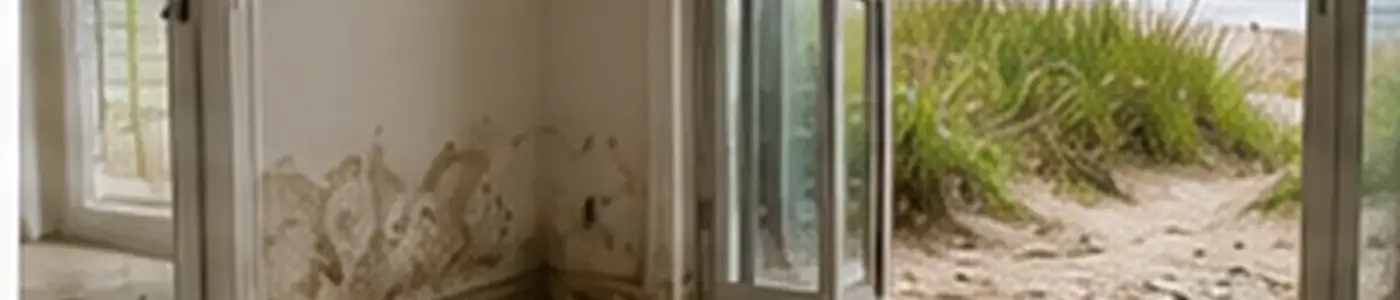
Water damage restoration in Indian River Shores, FL is shaped by the island itself. The town sits on a barrier island between the Atlantic and the Indian River Lagoon, about 5.5 miles from Vero Beach, and many of its homes are lived in for only part of the year.
The beach sand drains rain well, so ordinary rain is less of a problem than it is on the mainland. Surge, high tides and a leak that runs while nobody is home are the problems that cause real damage here.
Water damage restoration services we provide in Indian River Shores, FL
Seasonal risk through the year in Indian River Shores, FL
Hurricane season
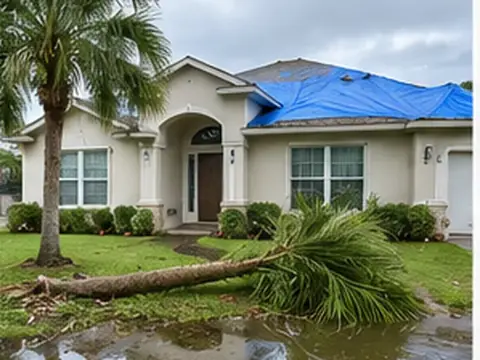
June to NovemberSurge and wind-driven rain are the main concerns. Know your shutoffs before a storm.
Summer rainy season
Summer monthsDaily thunderstorms test roofs and windows even without a named storm.
Winter dry season
Winter monthsHomes are most occupied, so leaks are found earlier.
Snowbird departures
SpringOwners leaving in spring should shut the main valve and arrange a regular walk-through.
What damages homes on the barrier island
Storm surge and tides
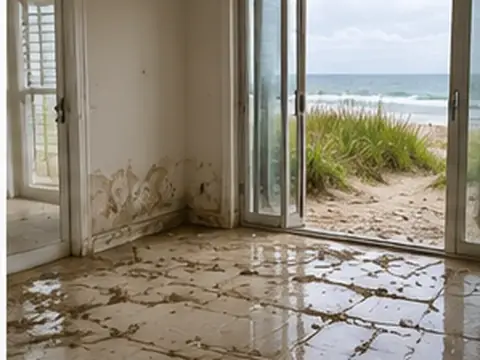
Well-drained sand does not protect a house from water that arrives from the ocean or the lagoon. Surge and very high tides can push water into garages and ground-level rooms. Salt water flooding is generally Category 3, so it is cleaned and treated as contaminated.
Salt residue that holds moisture
Salt attracts and holds water. Once a salt water flood dries, residue on surfaces can keep pulling moisture from the air. That is why materials often need more aggressive removal and cleaning before a rebuild, and why a fresh-looking repair over salt can fail.
Leaks in homes that sit empty
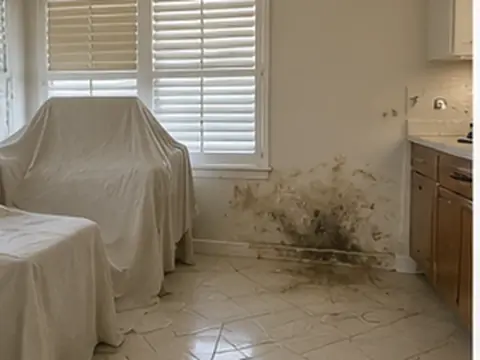
In seasonal homes, an upstairs leak can run unnoticed for a long time. Water travels down through ceilings and walls, and the damage is found when the owner returns.
High-end finishes at stake
Hardwood floors and custom cabinets are costly to replace and sensitive to moisture. Fast drying and careful readings matter more when materials are hard to match.
Where barrier island flooding comes from
Salt water and fresh water damage compared
| Salt water | Fresh water | |
|---|---|---|
| Typical category | Category 3 | Category 1 or 2 |
| Leaves behind | Salt residue that holds moisture | Little residue if cleaned quickly |
| Porous materials | Usually removed | Often dried in place if caught early |
| Cleaning | Washing and treatment before drying | Drying is the main step |
| Rebuild | After residue is cleaned and readings are dry | After readings are dry |
Indian River Shores water extraction and drying services near you
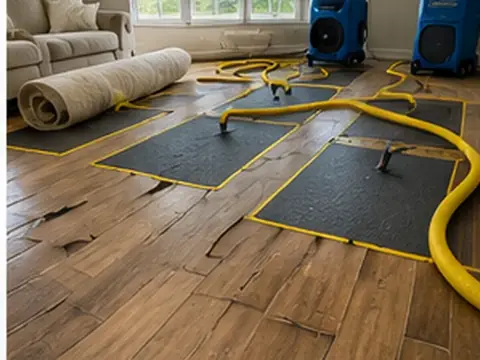
Storm and Hurricane Water Damage
Surge, wind-driven rain and flood water cleaned up and dried.
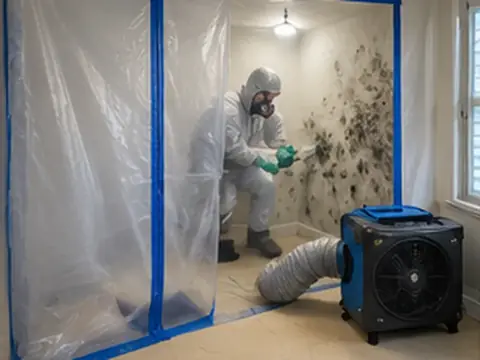
Seasonal and Vacant Home Damage
Leaks found after months away, including hidden mold checks.
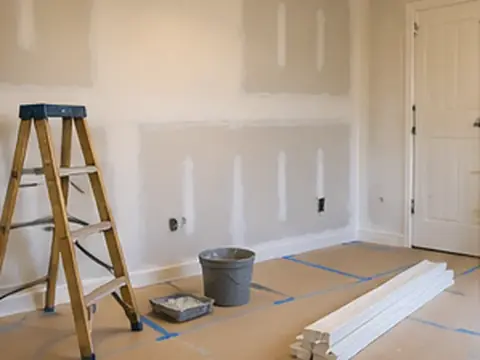
Water Damage Repair
Rebuilding after salt or fresh water, with finishes matched where possible.
Other jobs people call us about
| If you are looking for | See |
|---|---|
| Hurricane water damage, storm flooding or wind-driven rain | Storm and Hurricane Water Damage |
| A leak found in a vacation home, a rental or a house left empty | Seasonal and Vacant Home Damage |
| Cupped hardwood, lifted tile or swollen laminate | Water-Damaged Floor Drying |
| Drywall replacement, baseboards or a rebuild after a leak | Water Damage Repair |
| Mold testing, mold cleanup or a musty smell | Mold Removal |
| Flood cleanup, a flooded garage or standing water removal | Emergency Water Extraction |
Preparing a seasonal home before you leave
Close the main valve if the house allows it, and turn the water heater to vacation mode or off. Set the AC to hold humidity down. Ask someone to check the house on a schedule and give them the main valve location. Photograph each room before you go so you have a record of how things were.
If a named storm is forecast while you are away, ask a neighbor or property manager to shut off the main valve and move what they safely can. These steps will not stop every problem, but they catch many leaks sooner. Our seasonal home page has a printable checklist.
Salt does damage that fresh water does not. Salt in drywall, wood and fabric draws moisture from the air, so a repair that looks dry can turn damp again in humid weather. It also corrodes metal fasteners, wiring and appliances. Cleaning means washing surfaces until the residue is gone, not just drying them.
We talk through what can be cleaned and what has to go before anything is removed, and we record readings to show when the structure has actually dried.
Finishes at risk and what water does to them
| Finish | What water does | What usually helps |
|---|---|---|
| Solid hardwood | Cups and crowns as it takes in and gives up moisture | Fast drying at a steady rate, sometimes refinishing |
| Engineered wood | Layers separate and edges lift | Quick action, and often replacement after salt water |
| Custom cabinets | Bases swell and doors warp | Dry the cavity, and replace swollen bases |
| Natural stone and tile | Often survive, but grout and bond can fail | Clean and check the slab before reuse |
| Drywall and plaster | Wicks water up and holds salt | Cut above the wet line and clean the framing |
Reference for island homeowners
What to ask about high-end finishes
Ask what it will take to match a floor or cabinet line before you decide what to save. Some finishes can be dried and refinished, and others cannot. Photos and readings let you and your installer decide with real information.
Records for a home you are not in
Keep photos of each room from before you leave, the date you last checked the house and the name of anyone who visits. If a loss happens, those records show what changed and when.
Returning after a storm
Check the weather and road status first. Go in with the power off if water got inside, and look for water lines on walls. Leave wet items where they are until you have photographed them, and call before you start cleanup.
After a surge or flood event
- Day 0Stay out until it is safe. Do not walk through flood water, and photograph from where you can see.
- Day 1Standing water is pumped out. Salt water is handled as Category 3.
- Day 2Porous materials come out and hard surfaces are washed to remove salt.
- Day 3 and onDehumidifiers and air movers run while we take readings.
- Before rebuildResidue is cleaned and readings match a dry reference before finishes go back.
Questions from Indian River Shores homeowners
SafetyIs salt water flooding more dangerous than fresh water?
It is treated as Category 3 because it can carry contaminants from the ocean or lagoon. Keep people and pets out of it and call before you remove anything.
InsuranceIs flood damage covered by my homeowners policy?
Often not. Flood usually needs a separate policy, and wind-driven rain can be treated differently. Ask your agent. We cannot promise coverage. Readings and photos from the job go to you for your insurer.
MoldCan I check a seasonal home for water when I come back?
Yes. Smell for dampness at the door, look for stains and check under sinks and near the water heater. If something seems off, leave the AC off and call us. Mold can begin to grow within 24 to 48 hours.