
- 1
Dry-out confirmed. Readings match a dry reference.
- 2
Drywall and insulation. New insulation, drywall hung, taped and finished.
- 3
Trim and paint. Baseboards, caulk and paint.
- 4
Floors and cabinets. Flooring installed and cabinets reset or replaced.
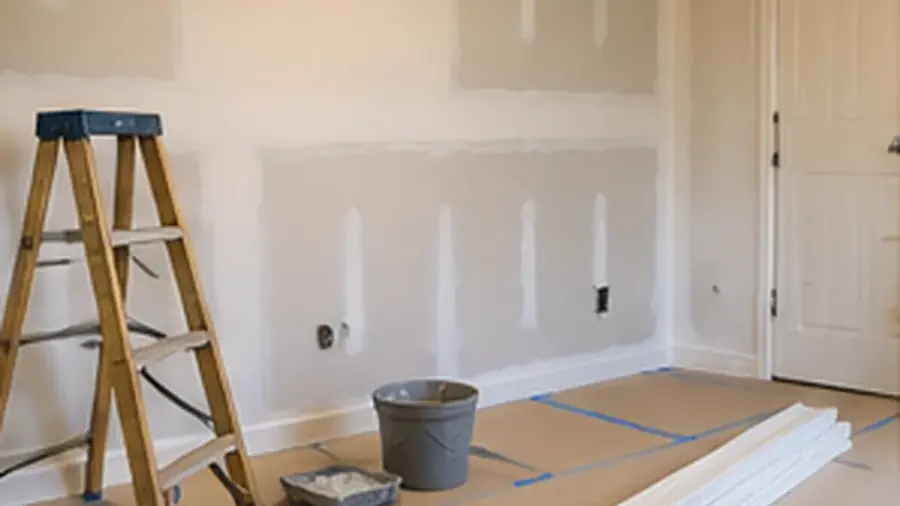
Water damage repair in Vero Beach begins only once the house is dry. If new drywall goes over a wet wall, the moisture is sealed in, and the repair will fail. That is why drying and readings come before any rebuilding.
After the dry-out is confirmed, we put back what was removed. That means insulation, drywall, trim, paint and the flooring or cabinets that could not be saved. You get a room that matches the rest of the house, not a patch you can see from across the room.
Typical water category
Not applicable, the house is dry
Mold timing
Low once readings are normal
Do this first
Confirm dry readings before closing any wall
Call us if
Cut-outs are open and drying equipment is gone
Common repairs after water damage
| Item | When it is replaced | Notes |
|---|---|---|
| Drywall | Soaked, crumbling or contaminated | Cut above the wet line, then taped and finished |
| Baseboards | Swollen or stained | New trim is painted to match |
| Insulation | Wet, compressed or contaminated | Replaced because wet insulation does not recover |
| Cabinet bases and toe kicks | Swollen particleboard | Solid wood and plywood sometimes survive |
| Flooring | Cupped, buckled or contaminated | Over a confirmed dry slab only |
Rebuilding in a humid coastal climate
Materials matter more here than in a dry climate. Moisture-resistant drywall and sealed trim hold up better near laundry rooms, garages and bathrooms. We suggest where a better material makes sense and where it does not.
Many homes here are slab-on-grade, so a rebuilt wall sits directly on a concrete floor that can wick moisture. We keep trim and the bottom edge of new drywall slightly off the floor where that is called for.
How we handle the rebuild
- Confirm dry. We check readings on every cut-out and the slab before anything is closed.
- Plan the scope. We walk the house with you and list what has to be rebuilt, what can be saved and what you want to upgrade.
- Insulate and hang drywall. New insulation goes in, and drywall is hung, taped and finished to blend with the existing walls.
- Prime, paint and trim. Baseboards, caulk and paint follow. Matching an existing paint color takes sample checks.
- Floors and cabinets. Flooring is installed over a confirmed dry floor, and cabinets are reset or replaced.
Signs it is time to start repairs
- Drying equipment is gone and readings are back to normal
- Walls have open cut-outs or bare studs
- Baseboards and the lower foot of drywall were removed
- Floors were pulled up and subfloor is exposed
- Cabinet bases swelled and cannot be saved
- Stains remain on walls or ceilings after drying
Matching what was there before
A repair should not look like a repair. New drywall is taped, mudded and sanded so the seams disappear, and the surface texture is matched to the old wall as closely as the original finish allows. If the whole wall has to be repainted to blend the color, we say so instead of leaving a patch that stands out.
Baseboards and trim are the other place patching shows. We reuse trim that dried well, and when it is replaced we match the profile as closely as the stock allows. With cabinets, a swollen base may be the only part that goes. If a run has to be replaced and the old style is no longer made, we go over your options before ordering anything.
Repairs after an insurance claim follow the scope your insurer approves. If you are paying yourself, you decide how far to go. Either way, we give you a written scope and talk through any change before starting it.
Timing matters. Paint needs the drywall compound to cure before it goes on, and cabinets and floors go in after paint so they do not get scratched. Rushing the order shows later as cracked seams and scuffed trim. We lay out the sequence at the start so you know when each room will be usable, and we tell you when a step depends on materials being ordered, since special-order cabinets and flooring can take time to arrive.
Questions about water damage repair
CostIs repair priced separately from drying?
Yes. Drying and cleanup are one scope of work, and rebuilding is another. Rebuilding depends on how much was removed and what finishes you choose.
InsuranceWill insurance pay for the rebuild?
Often some or all of it, if the loss is covered, but that depends on the policy. We cannot promise coverage. We provide readings, photos and a scope that you can share with your insurer.
Drying timeHow soon can repairs start after drying?
As soon as readings confirm everything is dry, which often takes several days. We do not close up walls on a guess.
MoldWhat if mold is found when walls are opened?
We stop, contain the area and deal with it before any rebuilding. See our mold removal page for how that works.
SafetyCan I live in the house during repairs?
Often yes, but drywall dust and paint fumes are part of the work. We tell you which rooms to avoid and for how long.