
Salt water and fresh water compared
| Salt water | Fresh water | |
|---|---|---|
| Typical category | Category 3 | Category 1 or 2 |
| Leaves behind | Salt that attracts moisture | Little if cleaned quickly |
| Metals and wiring | Corrode faster | Corrode slowly |
| Porous materials | Usually removed | Often dried in place |
| Cleaning step | Washing to remove salt, then drying | Mainly drying |
Barrier island flooding is different because of the water itself. Salt water from the ocean or the lagoon behaves differently from a pipe leak or fresh rain, and the cleanup has to account for it.
Knowing the difference helps you decide what to save and what to ask for.
Why salt water is treated as Category 3
Surge and tidal flooding carry contaminants from the ocean, the lagoon and the ground they cross. That puts them in the most contaminated category, even when the water looks clean.
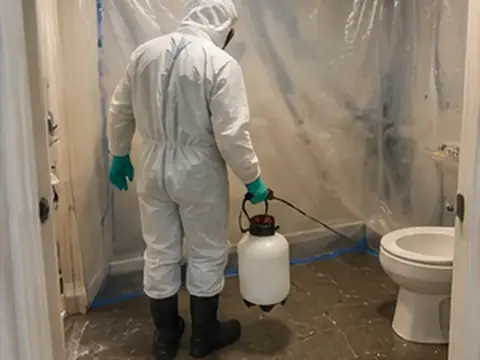
Protective gear, removal of porous materials and sanitizing are part of the job.
Salt keeps materials damp
Salt is hygroscopic, which means it pulls moisture from the air. A wall or floor that dried and looked fine can feel damp again on a humid day if salt remains in it.
That is why surfaces have to be washed as well as dried. Drying alone leaves the salt in place.
What it does to finishes
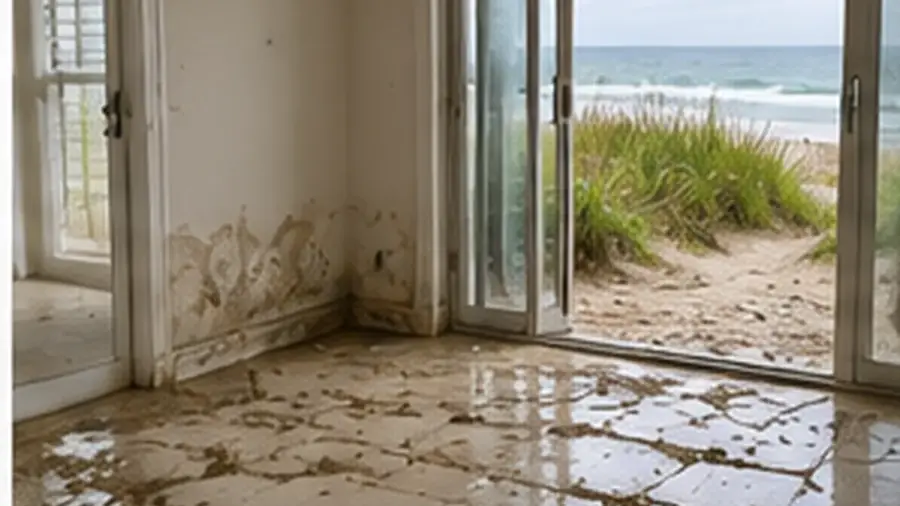
Wood floors, cabinets and drywall absorb salt water and hold it. Metal fasteners, wiring and appliances corrode faster than they would in fresh water.
Tile and sealed stone often survive, but grout and the bond to the slab can suffer.
A salt water cleanup in order
The sequence matters. Standing water is pumped out first. Materials that soaked up salt water and cannot be cleaned, such as carpet, pad and wet drywall, are removed.
Hard surfaces and framing are washed to remove salt, then dried with dehumidifiers and air movers. Moisture readings confirm the structure is dry, and residue is checked before anything is rebuilt.
Skipping the wash step leaves salt in the building, and that is how a floor or wall that looked fixed turns damp again in humid weather.
Protecting what you can afterward
Rinse sturdy items such as sealed furniture, glass and metal tools with fresh water as soon as you can, since salt keeps corroding after the flood is gone. Dry them well.
Electronics and appliances that got wet in salt water are often not safe to power on. Let a technician look before you plug anything in.
Photograph everything before it is moved or thrown out, keep receipts and talk to your insurer early. Flood and wind losses are often handled under different parts of your coverage, so keep their records apart.
Why the island is different from the mainland
Mainland homes mostly deal with rain, groundwater and plumbing. Island homes add the ocean and the lagoon to the list. A strong onshore wind can push water over low spots and up storm drains, so water arrives from below as well as above.
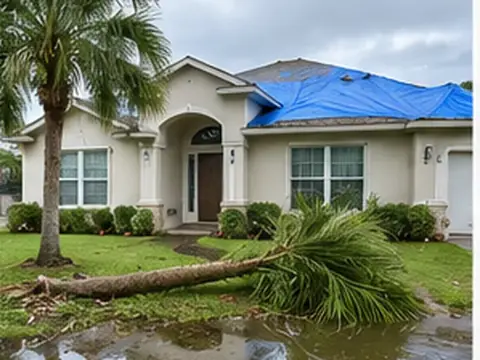
High tides combined with storm surge can reach ground-level rooms even when the roof held and no rain fell on the house. Garages, storage rooms and lower-level entries are the first to see it.
Seasonal owners have another worry. A flood event can happen while nobody is home, and the house sits wet and salty until someone checks. That delay lets salt dry into materials and mold start, so a neighbor or caretaker with your number matters. Tell them to call before they move or throw anything out, since photos of the water line and the damage matter for any claim.
Questions to ask a cleanup company after a surge
Ask how they will treat salt residue, and not only how they will dry the building. A good answer mentions washing and checking, with readings to show when the job is done.
Ask what they plan to remove and why. Take photos of any wall or floor that they cut out. Ask how long drying is likely to take and how they will report progress each day.
Ask them to explain what stays and what goes in plain terms, and to put the scope in writing before work begins.
How this fits with seasonal homes and insurance
Barrier island homes are often empty for part of the year, so a flood can sit for days before anyone sees it. A caretaker with clear instructions makes a big difference. The water shut-off checklist for seasonal owners lists what to give them, including what to photograph before they touch anything.
Insurance adds another layer. Flood damage is often covered separately from wind and rain, and records for each should be kept apart. How homeowners insurance often treats water damage explains common policy terms in plain language, and hurricane season prep for wind-driven rain lists steps to take before the season starts.
If you are weighing what to save and what to throw out, salt water soaks into porous items past the point of cleaning. Ask a professional before you discard anything of value, and photograph everything first.
Fresh water on the island
Leaks and rain still cause plenty of damage on the island. In seasonal homes a slow leak can run for weeks. Fresh water damage can be dried in place more often, if it is caught quickly.
Mixed events happen too. A storm can bring salt water, rain and a roof leak in the same house.
What to do after a surge
Stay out until it is safe, photograph what you can, keep receipts and call early. Our storm and hurricane water damage restoration page explains how we handle flood water, and owners in water damage restoration in Indian River Shores can see what we check on the island.
Questions readers ask
InsuranceIs salt water flooding covered by homeowners insurance?
Flood is usually excluded from standard policies and covered by a separate flood policy. Check what you have.
CostWhy does it cost more to clean up after salt water?
More material is removed, surfaces have to be washed to remove salt and drying takes longer.
SafetyCan I reuse furniture that got salt water on it?
Hard, sealed pieces may clean up. Upholstered items usually cannot. Ask before you discard anything you want to keep.