The first hour, step by step
- Minute 0Shut off the main water valve.
- Minute 5Switch off breakers for wet rooms if you can reach the panel dry.
- Minute 15Photograph and film the water, the source and the damage.
- Minute 30Lift small items and move valuables to dry spots.
- Minute 60Call a plumber and a restoration company, and tell your insurer.
When a pipe bursts, the first hour decides how far the damage goes. Water spreads across a slab floor in minutes and soaks into walls, cabinets and carpet.
You do not need tools or training. You need to act in the right order.
Stop the water
The main water valve is usually near the meter, where the line enters the house, or in the garage. Turn it fully closed. If you cannot find it, close the shutoff at the fixture or call the water utility.
Open a faucet at the lowest point to drain the pipes once the main is shut, which takes pressure off the broken line.
Make the house electrically safe
Water and electricity are a bad mix. If water is near outlets or the panel, do not step into it. Switch off the breakers for the wet rooms only if you can reach the panel on dry ground.
If the panel itself is wet or you are not sure, stay out and call an electrician or the utility.
Record what happened
Take photos and video of the water, the broken pipe and every wet room before you move anything. Note the time you found it. You can share this record with your insurer, and it helps whoever dries the house decide where to start.
We also record moisture readings once on site, so you end up with a before and after.
What not to do
A few well-meant moves make things worse. Water near outlets, appliances or the electrical panel is not something to wade into. A ceiling fan or the AC in a flooded room adds risk and spreads damp air.
Wet items should be photographed before they go in the trash. Prying up flooring or cutting drywall yourself can spread dust and mold and disturb evidence.
Waiting until morning is the biggest mistake. A leak that runs overnight can be many times larger than the one you could have stopped at ten.
After the first hour, the first day
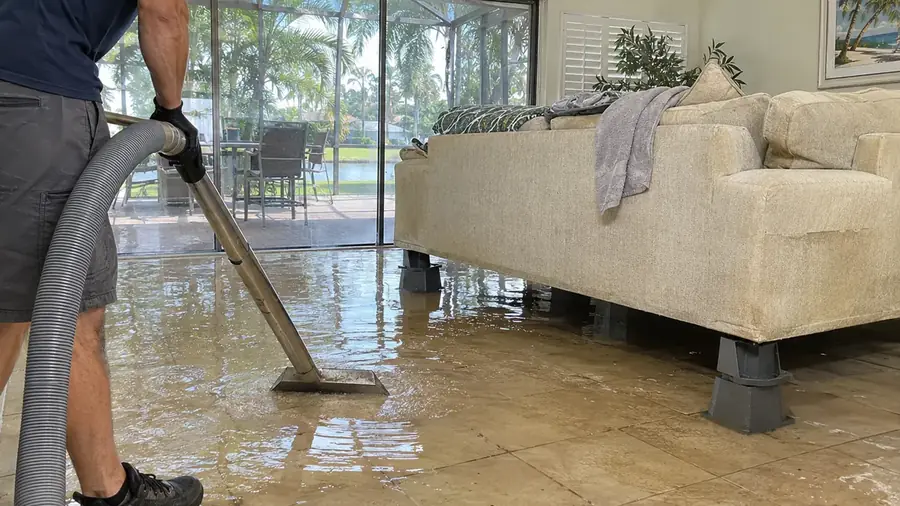
Once the water is off and the calls are made, keep helping. Open cabinet doors under sinks and in wet rooms so air can reach the backs. Move wet furniture legs off carpet with foil or small blocks if you must leave them in place.
Write down what you notice, such as where the pipe broke and what was wet. Keep the broken pipe section if you can, and keep receipts for emergency purchases.
Drying equipment should be running within the first day, since the structure will keep absorbing water long after the visible puddles are gone.
Special cases worth knowing
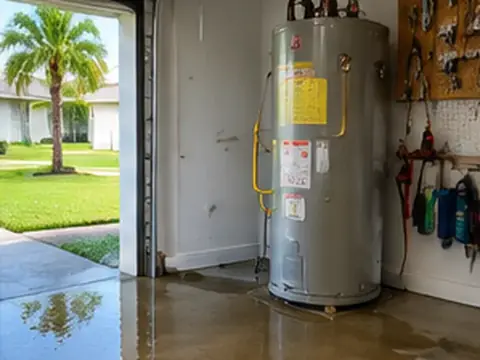
Not every burst is in a wall you can see. A line in the attic can drip through a ceiling for a long time before anyone notices, and a failed fitting at a water heater can empty the tank quickly. In both cases the first step is still the main valve.
If the burst is outside, on the line between the meter and the house, you may not be able to close a valve inside the house. In that case call the water utility and a plumber right away, and keep the water off at the meter if you have the key or tool for it.
If you rent, tell your landlord or property manager immediately. They may have the shutoffs and a plumber on file, and you may need their permission before any work starts.
In a condo, the water may come from a unit above you. Knock on the door above, shut your own valve if it serves you, and call building management at once. Water moves down through floors and walls in multi-unit buildings, so the sooner everyone knows, the less spreads.
Common sources of a sudden burst in Florida homes
Not every burst is a frozen pipe, and in Florida freezes are rare. More often a supply line fails with age. Braided washer hoses, ice maker lines, toilet supply lines and water heater connections are the most common culprits. Older copper and galvanized lines also pinhole and split.
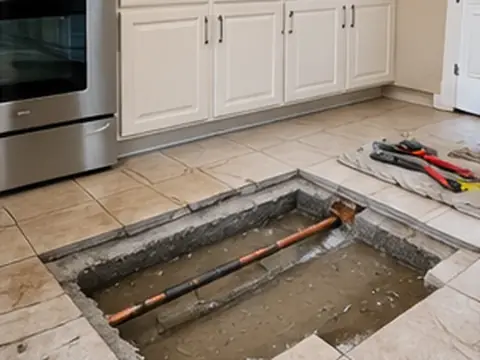
If the burst is in a wall next to the garage, expect water to spread through the shared wall, as why the room next to the garage gets wet first describes. If it is under the slab, the signs are slower and more subtle, and the seven signs of a slab leak lists them.
Whatever the source, the order of steps stays the same. Stop the water, make the house safe, record what happened and make the calls. Keep the damaged part if you can. It helps the plumber and your insurer see what failed.
Save what you can
Lift small rugs, electronics, books and papers onto dry surfaces. Leave heavy furniture where it is, since moving it through water can hurt you and scratch the floor.
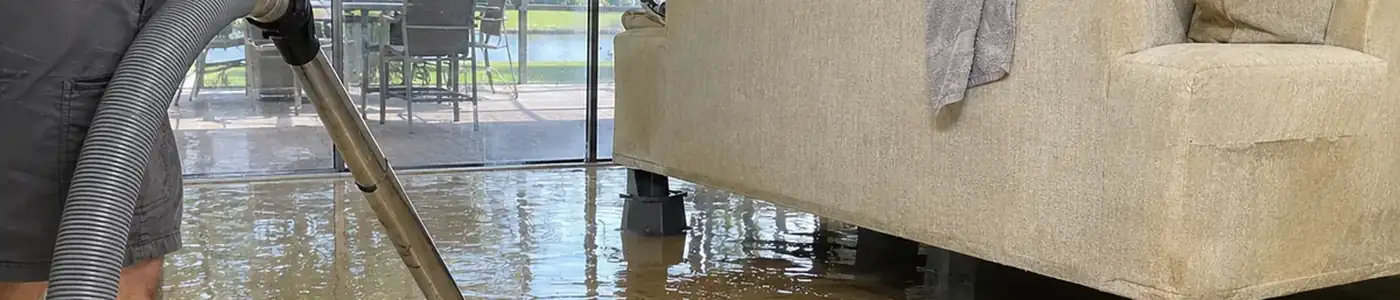
A household vacuum is the wrong tool for standing water, and the AC should stay off if the house has flooded.
Make the calls
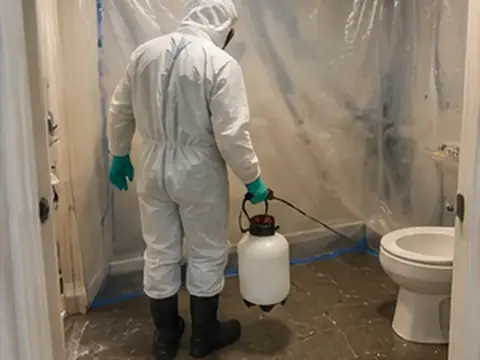
A plumber repairs the line, and a restoration company removes the water and dries the house. Call both. Our burst pipe and slab leak cleanup page explains how the cleanup works, and owners in water damage help in Vero Beach South can see what we check in slab homes.
Questions readers ask
SafetyShould I try to repair the pipe myself?
Leave it to a plumber unless you are comfortable with the repair. Your first job is stopping the water and keeping safe.
MoldHow long until mold becomes a worry?
Mold can begin within one to two days, so drying should start inside that window.
InsuranceShould I keep the broken pipe?
If you can, keep it or photograph it. It helps show what failed.